
"Sidamo G2"
500 article(s) found

Ethiopian Coffee introduction Coffee beans Coffee processing Coffee Flavor Ethiopian Coffee details
Ethiopia is the hometown of Arabica coffee, and it is in the forests of Kaffa that you can see wild Arabica coffee. In Ethiopian, coffee is called Bun or Buna, and coffee beans (coffeebean) may be translated from Kaffa Bun. Arabica coffee was discovered early in the Harald area, probably from Kafa.

Ethiopian boutique coffee introduces boutique coffee beans characteristics of Ethiopian boutique coffee
Ethiopia is the hometown of Arabica coffee, and it is in the forests of Kaffa that you can see wild Arabica coffee. In Ethiopian, coffee is called Bun or Buna, and coffee beans (coffeebean) may be translated from Kaffa Bun. Arabica coffee was discovered early in the Harald area, probably from Kafa.

An introduction to the origin of coffee-- characteristics of Ethiopian coffee taste
Ethiopia is the hometown of Arabica coffee, and it is in the forests of Kaffa that you can see wild Arabica coffee. In Ethiopian, coffee is called Bun or Buna, and coffee beans (coffeebean) may be translated from Kaffa Bun. Arabica coffee was discovered early in the Harald area, probably from Kafa.

A brief introduction to the Origin, Development, History and Culture of Fine Coffee beans in the aromatic Ethiopian Coffee Manor
In many cases, level 4 coffee is marked as level 5 in order to reduce taxes. The current classification is not uniform and messy, because there are also first-and second-tier (Grand G2) Yirga Cheffe processed by tanning, but the highest level of Harald (Harar) is level four (G4). The coffee-producing areas of Ethiopia are Sidamo, Harald and Yegashafi (

The grade of Ethiopian coffee in Ethiopian coffee producing areas
The grade of Ethiopian coffee: Ethiopian water washed coffee Yega Xuefei, the highest grade of Yirgacheffe and Sidamo may be level 2 or 3 (G2 or G3), and most sun-processed coffee in eastern Ethiopia is grade 4 or 5 (G4, G5). In many cases, level 4 coffee is marked as level 5 in order to reduce taxes. The current classification is not very uniform.

Coffee processed by sun and water washing, and processed by different processing methods.
Ethiopia is the hometown of Arabica coffee, and it is in the forests of Kaffa that you can see wild Arabica coffee. In Ethiopian, coffee is called Bun or Buna, and coffee beans (coffeebean) may be translated from Kaffa Bun. Arabica coffee was discovered early in the Harald area, most likely
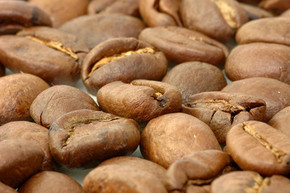
Introduction to the hometown of Arabica Coffee and Ethiopia Coffee
Following caf é (Wechat official account vdailycom) found that Beautiful Caf é opened a small shop of its own Ethiopia is the hometown of Arabica coffee, it is in the forests of the Kaffa region that you can see wild Arabica coffee. In Ethiopian, coffee is called Bun or Buna, and coffee beans (coffeebean) may be turned from Kaffa Bun

Coffee beans in the highlands of southern and western Ethiopia
Growing in the western highlands of southern Ethiopia (the border of Shewa and Sidmo provinces), east of Jima, north of Sidamo, most Europeans and Americans prefer 3600-6200 feet above sea level, most of them are washed with water, their annual output is about 110000bags/60kg, most of the beans are round (15/16scr), the color is green and bluish, the export is mostly G2 grade, the taste is similar to Yegashev, but the viscosity is simple.

January 16th international coffee futures 115cents (pounds), Yunnan local fresh beans 14.557 yuan kg
International Coffee Futures Price Type C Coffee Futures latest price 115cents / lb (about 16.657 yuan / kg), opening price is 115.6 cents / lb (about 16.744 yuan / kg), the highest is 115.65 cents / lb (16.751 yuan / kg), the lowest is 113.65 cents / lb (about 16.462 yuan / kg)
Boutique Ethiopian Sidamo Coffee beans Sidamo Coffee Coffee Sidamo Coffee
Ethiopia has two of the best producing areas, Yiragcheffe and Sidamo. Sidamo is located in a plateau region south of Ethiopia. Sidamo has a balanced acidity and moderate consistency. In Ethiopia, people usually have a cup of mocha coffee for breakfast to replenish the spirit and vitality of the day. As Ethiopia's classification system is still very backward,

January 27th Yunnan local fresh beans 14.76 yuan kg, international coffee futures 116.5 cents (lb)
The latest price of type C coffee futures is 116.5 cents / lb. and the opening price is 116.15 cents / lb (about 16.806 yuan / kg). The highest price for the day was 117.2 cents / lb (16.96 yuan / kg), and the lowest was 114.65 cents / lb.

Introduction of coffee bean producing areas in Ethiopia
Growing in the western highlands of southern Ethiopia (the border of Shewa and Sidmo provinces), east of Jima, north of Sidamo, most Europeans and Americans prefer 3600-6200 feet above sea level, most of them are washed with water, their annual output is about 110000bags/60kg, most of the beans are round (15/16scr), the color is green and bluish, the export is mostly G2 grade, the taste is similar to Yegashev, but the viscosity is simple.

Introduction to the flavor description characteristics of Ethiopian coffee varieties with balanced flavor
Ethiopia is the hometown of Arabica coffee, and it is in the forests of Kaffa that you can see wild Arabica coffee. In Ethiopian, coffee is called Bun or Buna, and coffee beans (coffeebean) may be translated from Kaffa Bun. Arabica coffee was discovered early in the Harar area and is likely to come.

January 22nd international coffee futures 115cents (pounds), Yunnan local fresh beans 14.557 yuan kg
International coffee futures price Type C coffee futures the latest price is 114.05 cents / lb (about 16.505 yuan / kg), the opening price is 112 cents / lb (about 16.208 yuan / kg), the highest is 114.65 cents / lb (16.592 yuan / kg), and the lowest is 111.6 cents / lb (about 16.151 yuan / kg).

What is Ethiopian coffee? What is the treatment of Ethiopian coffee?
Ethiopia is a professional coffee knowledge exchange more information about coffee beans Please follow the coffee workshop (Wechat official account cafe_style) Arabica Coffee is the hometown of Arabica Coffee, it is in the forests of the Kaffa region, you can see wild Arabica coffee. In Ethiopian, coffee is called Bun or Buna, and coffee beans (coffeebean) may come from

Fragrant Ethiopian Coffee Manor Fine Coffee Bean cultivation Geographic location Climatic Sea
The coffee producing areas of Ethiopia are Sidamo, Harald and Sidamo, Harrar and Yirgacheffe. Sidamo and Harrar are provinces and divisions. Sidamo is located in the south of Ethiopia bordering Kenya, and Harrar borders Somalia in the east of Ethiopia. Although Yirgacheffe is a community in the Sidamo region, due to soil composition and water content and other reasons.

Yega Chuefei Coffee characteristic Taste and Flavor description Grinding scale treatment
Yega Chuefei Coffee characteristic taste and flavor description grinding scale treatment method 1. When picking beans, only fully ripe crimson coffee cherries are picked. Before exposure, the beans will be screened for defects in the processing plant to make the beans look more average in size and maturity. two。 Then, use a tall wooden frame or a whole scaffolding to make the sun, so as to avoid soiling the beans on the ground.

Ethiopian Coffee Flavor description introduction of High-quality Coffee varieties in producing areas
Ethiopia is the birthplace of the famous Arabica coffee beans, and people have always maintained the tradition of harvesting wild coffee beans. The coffee garden at an altitude of more than 1500 meters has formed a unique coffee style after thousands of years of evolution and adaptation. Ethiopian coffee grown in the natural wild environment is called wilderness coffee, which retains the most primitive and natural taste of coffee beans.

Ethiopian Coffee Manor Flavor Description Grindness Taste Characteristics Boutique Coffee Introduction
Ethiopian coffee grade: Ethiopian washed coffee Yirgacheffe G1 G2 Sidamo (Yirgacheffe, Sidamo) the highest grade is second and third grade (G2, G3), the eastern part of Ethiopia sun processing coffee is mostly fourth or fifth grade (G4, G5). In many cases, fourth-grade coffee is labeled as five-grade in order to reduce taxes. The current classification is not very uniform, there are

Flavor description of Yejia Coffee Cochel washed Coffee beans introduction to the taste of grinding scale varieties
Description of the Flavor of Yejia Coffee Cochel washed Coffee beans Flavor Coffee G2 has eight main coffee bean producing areas in Ethiopia: Nekempte (Lekempti) Gimbi Jinbi, Limulim, Illubabor Eduardo, Djimma Gee, Harrar Hara, Teppi/Bebeka Kaka, Sidamo Seymour, Yirgacheff.